For a metal recoating project, the most useful enquiry combines photographs of the same affected areas, the metal substrate, previous coating information, exposure conditions and the available work window. A supplier can use this record to identify which areas need preparation, which additional compatibility checks are relevant and which coating products suit the proposed scope. The following format works for steel structures, machinery housings, gates, guardrails and other painted industrial metal assets.
Send three views of the same area
A photograph set should establish the location of the defect, its extent and the condition of the nearby coating. Use the same asset and zone reference in each image.
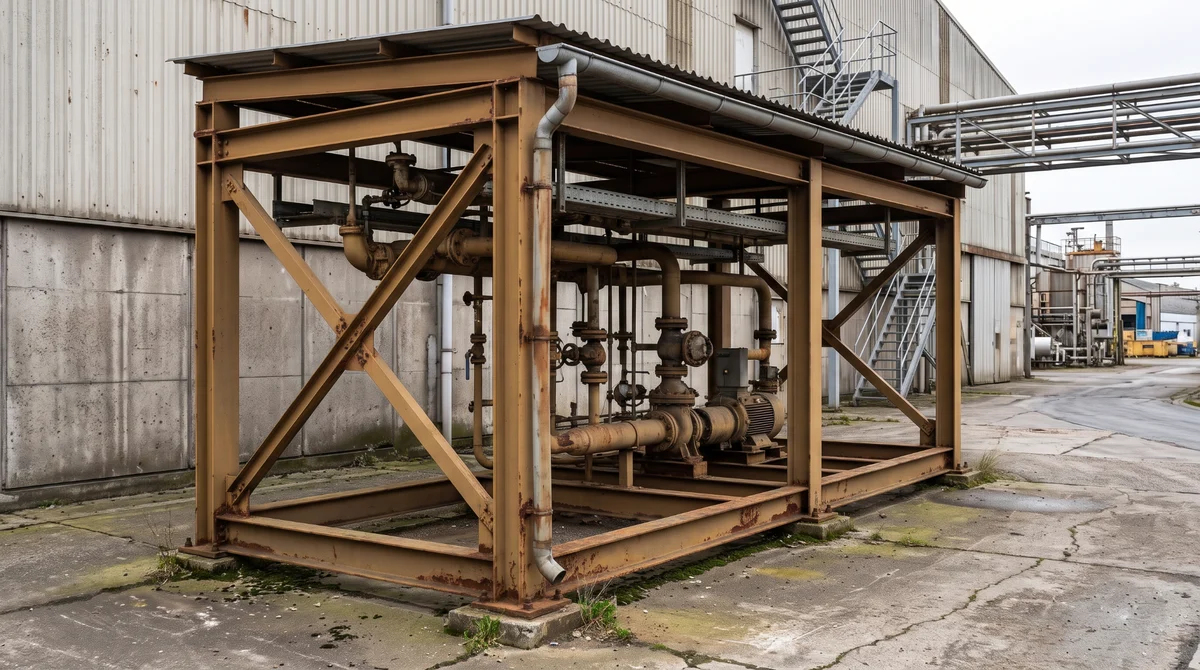
1. Overview: Photograph the full structure and its surroundings. Include the component's function, indoor or outdoor location, shelter, nearby processes and access routes. This establishes the working environment and the scale of the project.
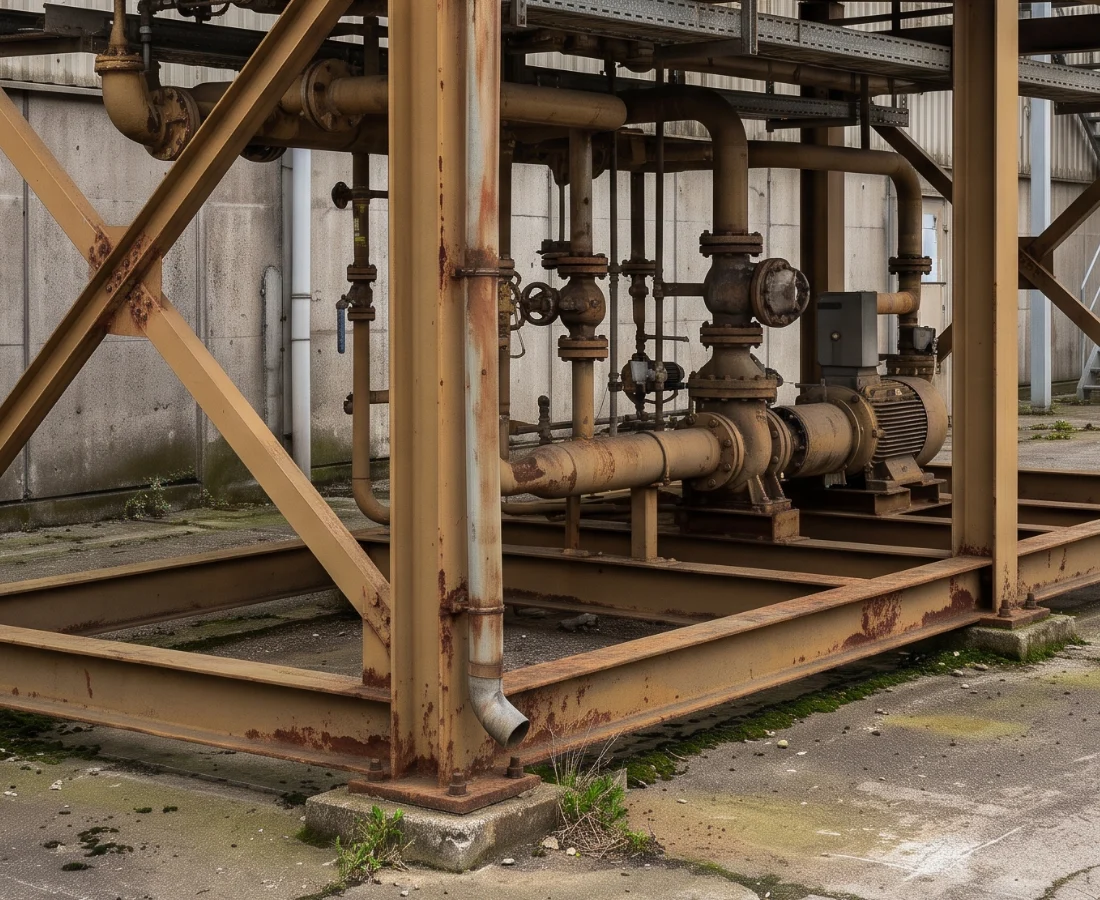
2. Mid-range view: Photograph the affected zone with the adjacent steel and coating in view. Include welds, bolt connections, horizontal ledges or areas where water collects, where relevant. Record the approximate affected area.
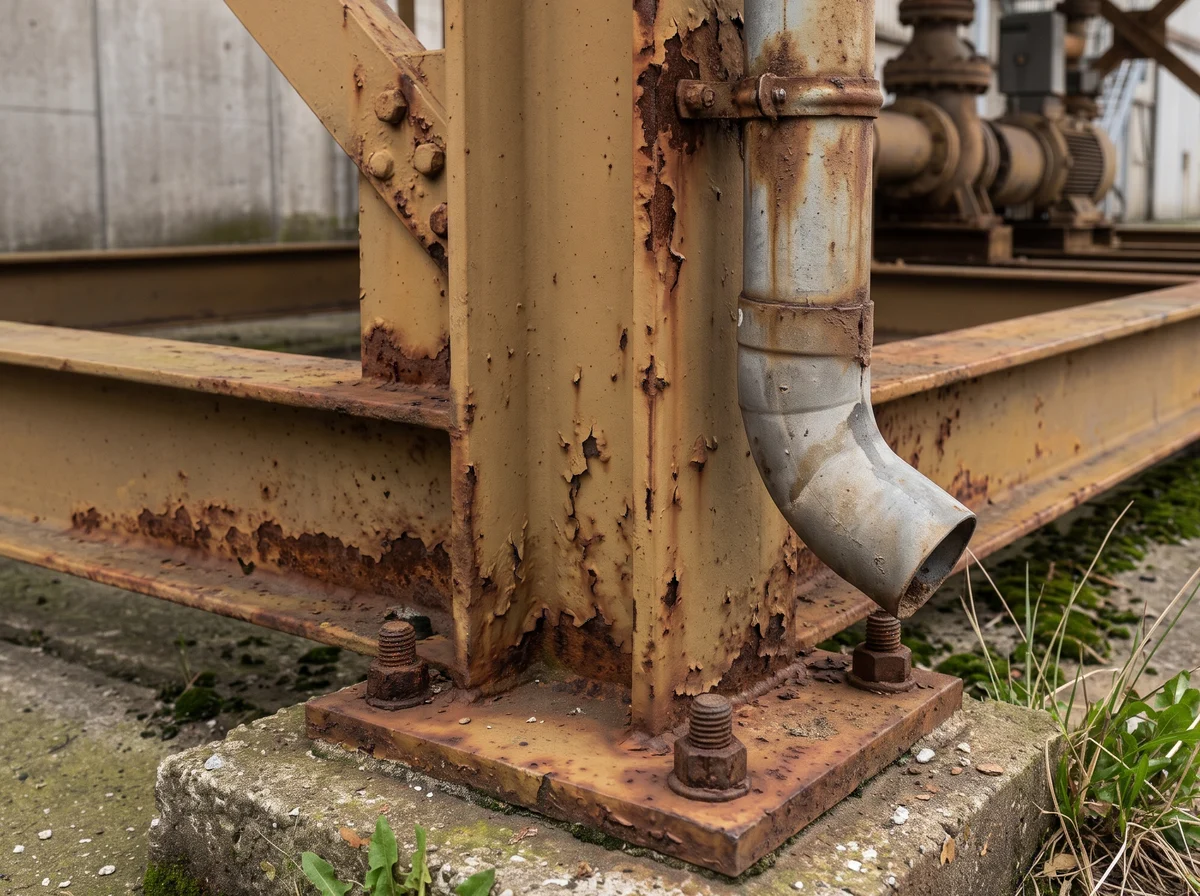
3. Close-up: Show the edge of the existing paint, local rust, blistering, flaking, scratches or exposed metal. Include a suitable scale reference where practical. Use even lighting to preserve surface details and colour.
Name files using a consistent reference, for example Frame-03-Zone-A-Overview, Frame-03-Zone-A-Mid and Frame-03-Zone-A-Detail. Include the inspection date in your project record.
Identify the metal and the existing paint
Record whether the surface is carbon steel, galvanised steel, aluminium or another metal. Identify areas with different substrates, welds or replacement parts. Drawings, material certificates and maintenance records can help establish the original construction.
For the existing coating, provide the manufacturer, product code, chemistry, approximate age and previous application records where available. Photographs of the original container label or specification are also useful. Record an unidentified finish as unknown so that compatibility can be evaluated on the actual surface.
A compatibility assessment can examine the adhesion of the retained coating, its sensitivity to the proposed materials and the behaviour of a representative test patch. Record the trial products, surface preparation and observed condition after the specified curing period.
Describe visible defects and their distribution
| Visible condition | Information to send |
|---|---|
| Local rust | Location, approximate size and condition of nearby coating |
| Widespread rusting or exposed steel | Estimated affected area and distribution across the asset |
| Flaking, lifting edges or blisters | Extent, photographs of the coating edge and available adhesion findings |
| Scratches and impact damage | Position, frequency, depth and operating activities |
| Faded or chalked finish | Affected faces, exposure to sunlight and existing paint details |
| Oil, grease or process deposits | Contaminant, location and cleaning history |
Separate visible observations from inspection findings in the record. The condition of retained paint, steel and interfaces guides the extent of cleaning, repair and coating removal.
Record exposure, access and preparation constraints
Record the cleaning method, inaccessible areas and any restrictions on blasting or power tools. Compare steel preparation grades.
Describe the service conditions for each part of the asset. Above-water atmospheric exposure, direct splash, immersion and soil contact are distinct project environments. Note salt deposits, condensation, sunlight, chemical contact and repeated wetting where present. The ISO 12944 environment guide provides a detailed classification framework.
Include the site's permitted preparation methods: abrasive blasting, power-tool cleaning or another specified process. Record any requirements for dust containment, access platforms, nearby operating equipment and work-zone isolation. Use the steel surface preparation guide to identify the specified cleaning grade and related inspection requirements.
Provide the estimated repainting area, separating zones with different exposure or preparation needs. State the planned application method, expected work period, desired colour and gloss.
Report trial areas and delays between coats
For a previously painted surface, a prepared trial area helps evaluate the new coating over the selected substrate condition. Include the old coating assessment, preparation method, proposed product sequence and observed results.
When a recoating operation is interrupted, record the product applied, time of application, surface temperature, humidity, recent rain or condensation and any intervening contamination. Compare the recorded interval and surface condition with the product's recoating instructions. Cleaning, abrasion or another specified recovery treatment can then be incorporated into the work programme as appropriate.
Copy this metal recoating enquiry
We are planning to recoat [asset] at [site and country]. The substrate is [material], and the existing coating is [product or unknown]. The work covers approximately [area in m²], with [observed defects and affected zones].
Attached are overview, mid-range and close-up photographs of the same locations, along with the available coating and inspection records.
The service conditions are [exposure], the permitted preparation methods are [methods], and the available work window is [dates]. The required finish is [RAL colour and gloss].
Please identify the additional site checks, propose a compatible coating scope and provide the corresponding product documents and material estimate.
Use the steel coating layer schedule to review the resulting proposal by product, coat count and dry film thickness.
Send a Metal Recoating Brief